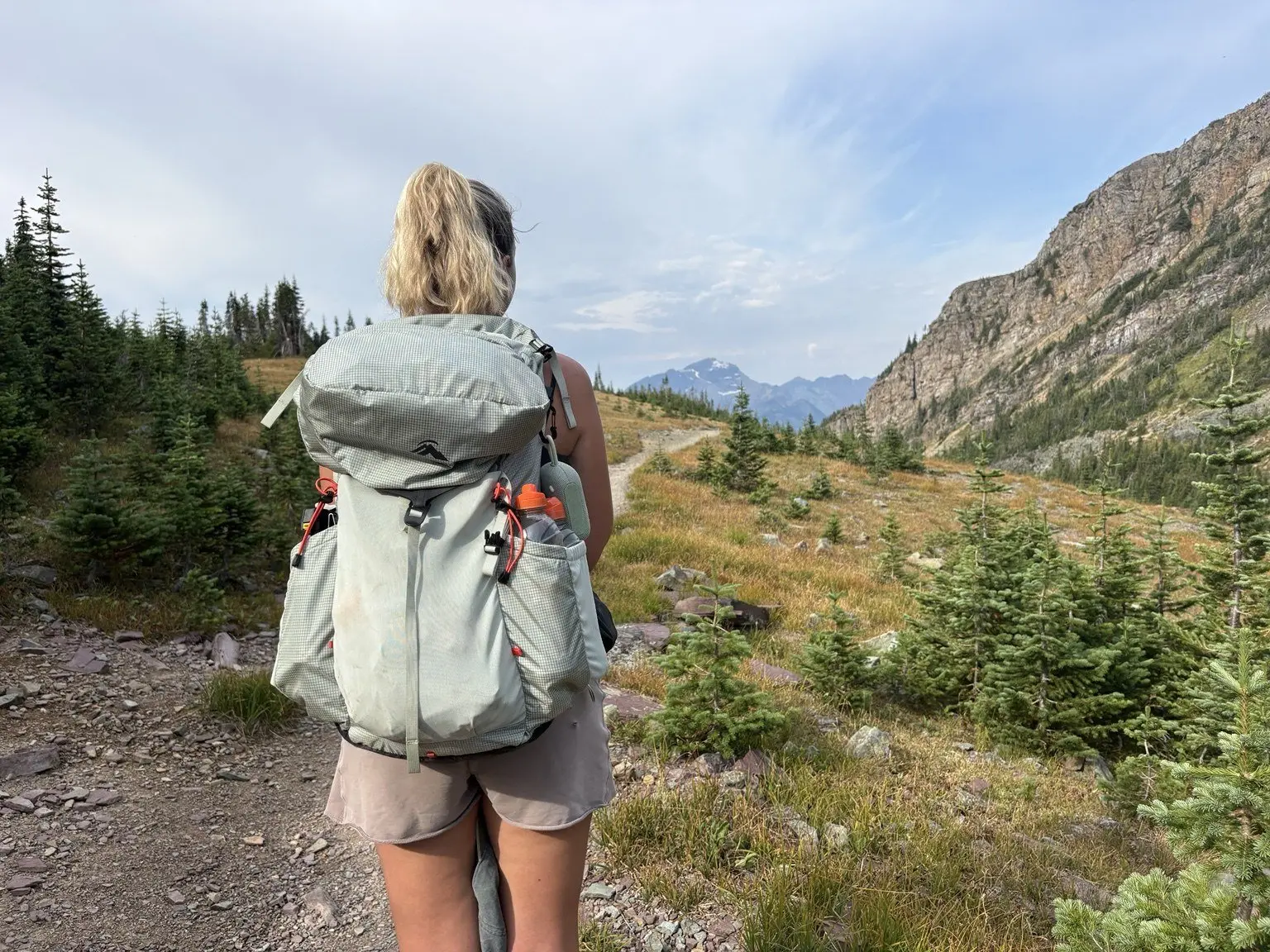
Want to travel but have absolutely no idea where to start?
I get it.
Traveling, especially traveling alone, can seem like this huge, intimidating thing when you’ve never done it before. Where do you go? How much money do you need? What if you get lost? What if something goes wrong? And how are there people casually backpacking around another country like it’s no big deal?
The good news is that you really don’t need to have everything figured out before you start.
I definitely didn’t.
Over the years, I’ve traveled solo, taken road trips across the U.S., worked seasonal jobs in places like Yellowstone and Glacier National Park, and traveled internationally. And one thing I’ve learned is that you get better at traveling by actually doing it.
So if you want to travel more but have no clue how to take that first step, this is the advice I wish someone had given me when I was starting out.
1. You Don’t Have to Start With Some Huge Trip
I think social media sometimes makes traveling look like you need to quit your job, buy a one way ticket to Southeast Asia, and disappear for six months.
You absolutely do not.
Start with whatever feels slightly outside your comfort zone, not completely terrifying.
Take a weekend road trip. Drive somewhere a few hours away. Spend a couple of nights in a city you’ve never been to. Book a cheap flight somewhere in the U.S. for a long weekend.
The point of your first trip isn’t to have the most impressive adventure of your life. It’s to prove to yourself:
Oh… I can actually do this.
Then the next trip gets a little easier.
And then maybe you go a little farther.
That’s basically how travel confidence builds.
2. Pick an Easy Destination for Your First Solo Trip
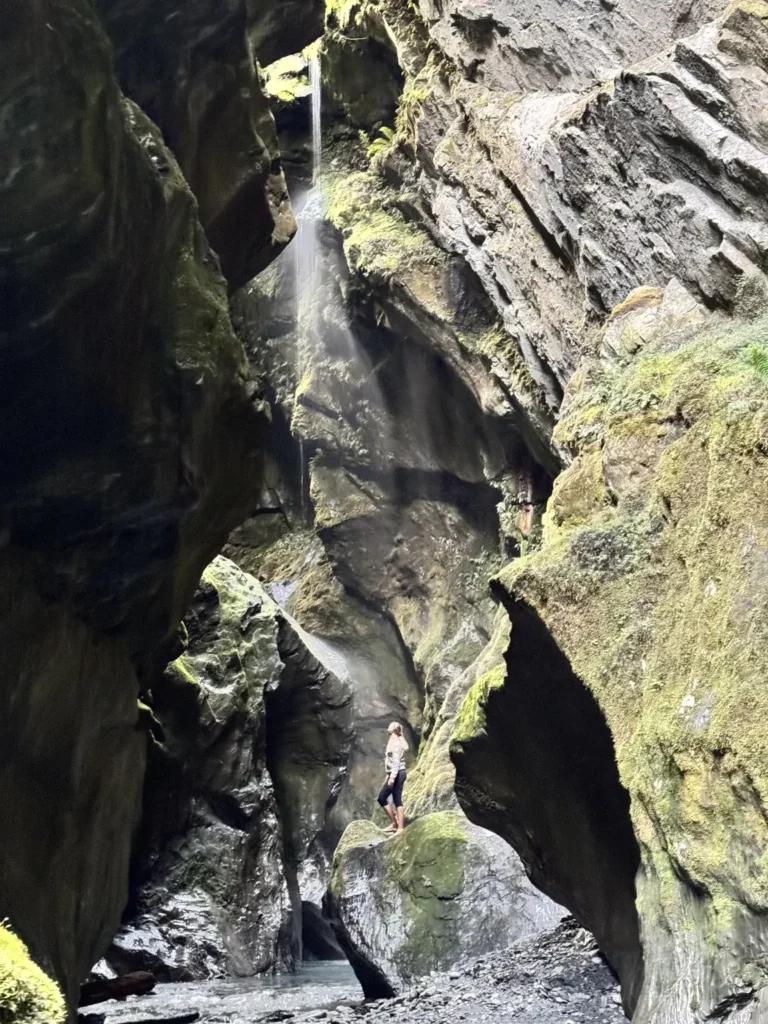
A national park road trip is a great first solo trip. If Glacier is on your list, here’s my 3-day Glacier itinerary, which is easy to follow on your own.
Your first solo trip probably isn’t the time to choose the most complicated destination you can possibly find.
Make your life easier.
For your first trip, I’d look for somewhere that’s relatively safe, easy to navigate, has good transportation, and where you won’t have a huge language barrier.
My first big solo international trip was Switzerland, and looking back, I think it was such a good beginner destination.
I felt comfortable walking around by myself, signs were easy to understand, a lot of people spoke English, and the public transportation was AMAZING.
Was I immediately an expert at Swiss trains? Absolutely not.
I watched YouTube videos beforehand because I was nervous about figuring them out. But once I got there and actually used the system, it was way easier than I had built it up to be in my head.
And honestly, that’s a recurring theme with travel.
Things usually feel much scarier before you do them.
3. Consider Seasonal Work If You’re Not Ready to Travel Completely Alone
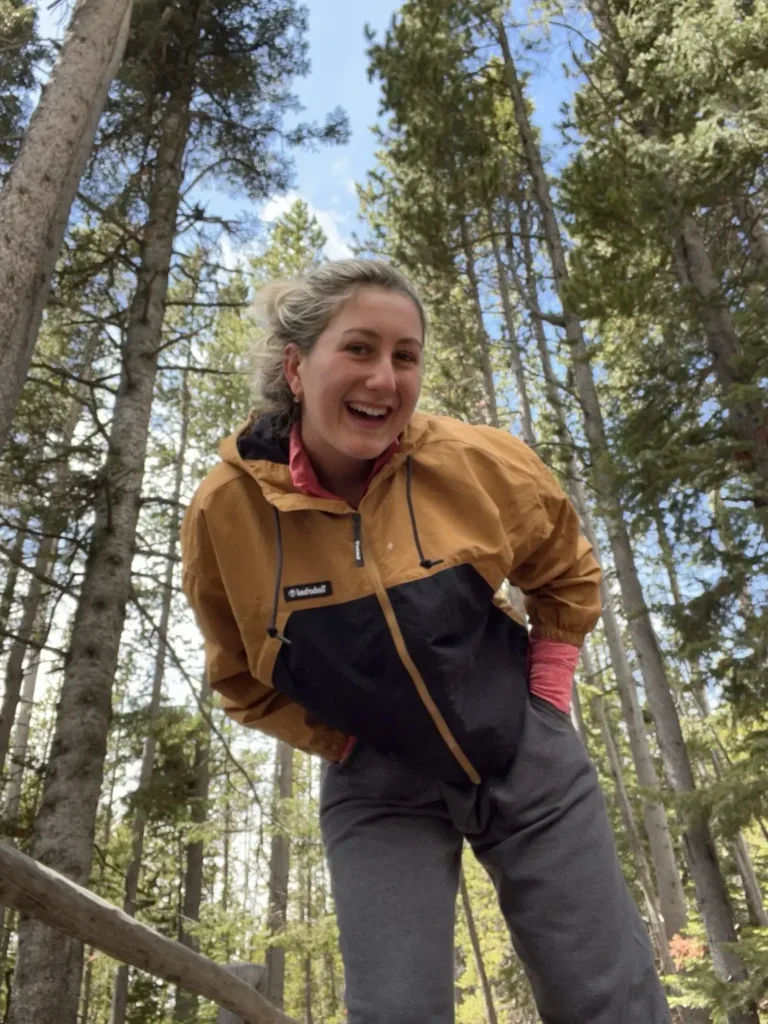
Here’s my honest guide to what it’s actually like to work a seasonal job in a national park, including pay and housing.
This is one of my favorite recommendations because it’s how I really started traveling more.
If the idea of booking a trip completely alone still feels like too much, consider getting a seasonal job somewhere you’ve always wanted to live.
Seasonal work gives you something normal travel doesn’t: a home base.
You can move somewhere completely new, but you already have a job to go to, a place to live in many cases, and other seasonal workers around you who are also away from home.
I’ve worked seasonally in places like Yellowstone and Glacier National Park, and it’s given me the chance to actually live in places that other people might only get to visit for a few days.
And when you’re off work?
You get to explore.
For seasonal jobs in the U.S., CoolWorks is one of the first places I’d look. For international opportunities, you can also look into platforms like Workaway and Worldpackers.
This can be such a good middle ground between staying home and throwing yourself into completely independent long term travel.
4. You Probably Don’t Need as Much Money as You Think
One of the biggest things that stops people from traveling is money.
And obviously, yes, you need money to travel.
But you don’t necessarily need to be rich.
How much you need depends WAY more on where you’re going and how you like to travel than some magical number you need to have in your bank account.
A trip to Switzerland and a trip to Vietnam are going to have completely different budgets.
In somewhere like Vietnam, getting there might be one of your biggest expenses, while food and accommodations can be relatively inexpensive. Switzerland? That’s a different story. I definitely wouldn’t show up expecting Southeast Asia prices.
Before a trip, I like to think about the big categories:
- Flights or gas
- Accommodation
- Food
- Transportation
- Activities
- Travel insurance, if needed
- An emergency cushion
That last one is important.
I don’t think you need to wait until you’ve saved some enormous amount of money, but I also wouldn’t recommend traveling with literally every dollar you have budgeted down to the cent.
Things happen.
Flights get changed. Cars have problems. You book something last minute. You accidentally spend $27 on something that should have cost $8 because you’re confused and tired.
Having extra money available makes those situations a lot less stressful.
5. Please Don’t Pack Your Entire House
If you’re heading somewhere outdoorsy, here’s the hiking gear I actually use and nothing more.
I say this knowing full well that I still have to remind myself not to overpack.
You need less than you think.
Seriously.
When you’re packing at home, suddenly every shirt you own feels essential.
“But what if I need this very specific outfit?”
You probably won’t.
And the more you travel, the more annoying all that extra stuff becomes. You’re the one who has to drag it through the airport, fit it into the car, carry it upstairs, repack it, and somehow get everything back into your suitcase at the end of the trip.
Bring clothes you can rewear and mix together. Bring comfortable shoes. Pack for what you’re actually going to do, not every hypothetical situation your brain can come up with.
And remember: unless you’re traveling somewhere extremely remote, there are stores.
Forgetting toothpaste is not going to ruin your trip.
6. Make a Plan, Then Accept That the Plan Will Probably Change
I’m a big believer in planning enough that you don’t arrive somewhere completely clueless.
For a solo trip, I especially like knowing where I’m staying the first night, how I’m getting there, and what the general plan is for the first day or two.
After that?
Leave some breathing room.
I’ve learned that trying to plan every hour of a trip can actually make traveling more stressful.
Maybe the weather is terrible on the day you planned a hike. Maybe someone tells you about a place you’ve never heard of. Maybe you love one town and decide you want another day there.
Some of the best parts of traveling happen because something wasn’t part of the original plan.
Have an itinerary.
Just don’t treat it like a legally binding contract.
7. You’re Probably Going to Be Nervous
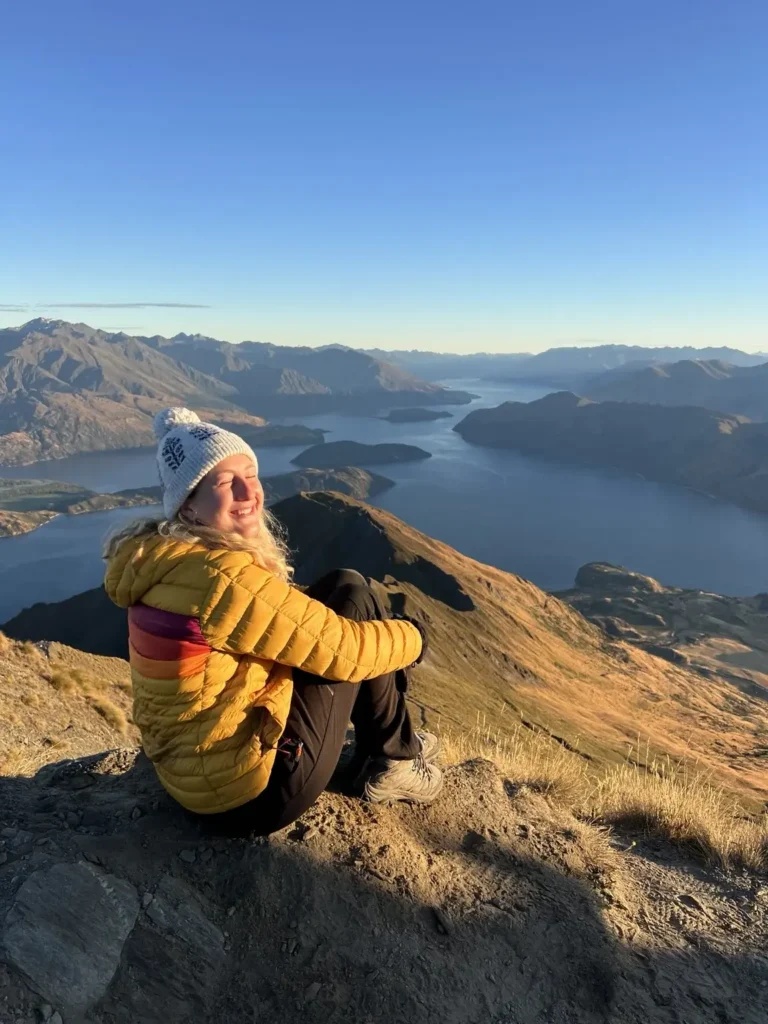
I think this is something people don’t talk about enough.
You can be incredibly excited about a trip and still have a moment where you’re thinking:
Why did I think this was a good idea?
That’s normal.
You’re going somewhere unfamiliar. Maybe you’re alone. You don’t know exactly what to expect.
Of course your brain is going to freak out a little.
Whenever I arrive somewhere new, I give myself time to adjust. I don’t expect myself to immediately feel comfortable and confident the second I get there.
Check into your accommodation. Eat something. Walk around. Figure out where things are.
Give yourself a minute.
Usually, once you start actually doing things, the anxiety starts turning into excitement.
The Biggest Thing I’ve Learned About Traveling
You don’t suddenly wake up one morning feeling completely ready to travel.
At some point, you just have to book the trip.
I think a lot of people wait because they’re telling themselves:
“I’ll travel when I have more money.”
“I’ll travel when someone can come with me.”
“I’ll travel when I’m more confident.”
“I’ll travel when I know what I’m doing.”
And suddenly years have gone by.
You don’t have to start with a month in Europe.
Start with two nights somewhere you’ve never been.
Take the road trip.
Apply for the seasonal job.
Book the flight.
You’ll make mistakes. You’ll get lost. You’ll overpack. You’ll probably spend too much money on something at least once.
And you’ll figure it out.
That’s part of traveling.
You don’t need to know exactly what you’re doing before you start.
You just need to start.
Solo travel for beginners FAQ
How do I start solo traveling?
Start small. Take a short trip a few hours from home, or pick an easy destination where you speak the language, then build from there. You get better at traveling by actually doing it.
How much money do I need to start traveling?
Probably less than you think. Seasonal jobs are one of my favorite ways to travel, because housing and food are often provided at a low cost. Read my seasonal job guide.
Is it normal to be nervous before a solo trip?
Completely. I still get nervous before new trips. Things usually feel much scarier before you do them than while you’re actually doing them.