Affiliate disclosure: Some of the links in this post are affiliate links, which means I may earn a small commission if you buy through them, at no extra cost to you. As an Amazon Associate, I earn from qualifying purchases. Read my full disclosure.
- Pay: varies a lot. I’ve made anywhere from about $1,600 to about $5,000 a month after taxes, depending on the job.
- Housing and food: I’ve usually paid around $400 a month for both combined
- Apply to: at least three jobs you’re genuinely excited about
- Best part: living somewhere beautiful and spending your days off exploring it
If you’ve ever wondered what it’s actually like to work a seasonal job in a national park, I have a LOT to tell you.
Finding seasonal work was honestly a game changer for me.
I’m not someone who likes being in one place for too long. I get bored. I need to change things up every 4–6 months, otherwise I start feeling a little… not well.
Seasonal work gives me exactly that.
Not only do I get to have a freaking national park as my backyard, but I’ve also met some of the coolest people from all over the world.
The best way I can describe seasonal work? It’s like a months-long slumber party with a bunch of people who are just as excited about traveling, hiking, exploring, and doing something a little different with their lives as you are.
These are the people you end up having deep conversations with at 1 a.m. because, well… you live with your coworkers.
They’re usually people who like traveling, exploring, getting outside their comfort zones, and aren’t necessarily interested in staying in one place forever working a traditional 9–5.
Nothing wrong with that life. It’s just not for me.
After working multiple seasonal jobs, including jobs in places like Yellowstone National Park, Custer State Park, Alaska, and Glacier National Park, I’ve learned A LOT about this lifestyle.
So if you’re thinking about applying for a seasonal national park job, here’s everything I wish someone had told me before my first season.
What Is Seasonal Work in a National Park Actually Like?
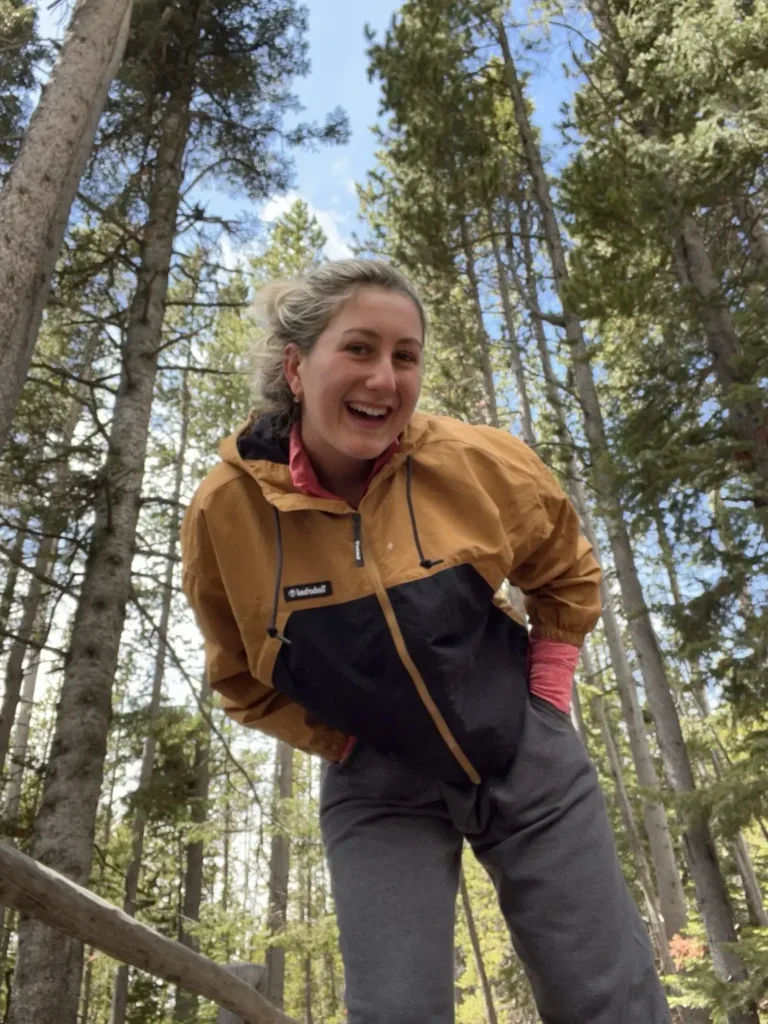
Seasonal national park jobs usually last a few months and are designed to bring in extra employees during a destination’s busiest season.
Depending on where you work, you might work at a:
- Hotel or lodge
- Restaurant
- Bar
- Coffee shop
- Gift shop
- Gas station
- Front desk
- Employee dining room
- Housekeeping department
- Tour or recreation operation
And no, working in a national park does not automatically mean you’re working for the National Park Service.
That’s something I didn’t really understand before getting into seasonal work.
There are tons of private companies operating hotels, restaurants, shops, and other businesses inside and around national parks. Those companies hire thousands of seasonal employees every year.
The company you work for may also provide employee housing and meals, which is one of the things that makes seasonal work so convenient.
You basically show up, move into employee housing, start working, and suddenly you’re living in one of the most beautiful places in the country.
Pretty cool deal if you ask me.
How Do You Find Seasonal Jobs in National Parks?
This is probably one of the questions I get asked the most.
I’ve found my seasonal jobs through CoolWorks.
CoolWorks lists paid seasonal jobs around the United States, including tons of opportunities in national parks, state parks, resorts, lodges, ranches, ski towns, and other beautiful places.
Many of the jobs listed there also provide or help arrange employee housing.
One important thing to understand is that CoolWorks isn’t part of the National Park Service.
You could be working for a private company that operates a lodge, restaurant, store, or other business inside the park.
That’s actually how a huge number of seasonal workers end up living and working in national parks.
Do You Need Experience to Work a Seasonal Job in a National Park?
No!
I had zero experience when I got my first seasonal job in Yellowstone as a gas station attendant.
I applied and hoped for the best.
And somehow, there I was, living in Yellowstone.
A lot of people working seasonal jobs are straight out of high school or currently in college, so companies definitely hire people without tons of work experience.
Some positions are more competitive, though.
Jobs like servers and bartenders may require previous experience because those positions can make good money and more people apply for them.
If you don’t have much experience, you may have better luck applying for positions like:
- Housekeeping
- Front desk
- Retail
- Food service
- Gas station attendant
- General hospitality positions
Companies are also looking for people who genuinely seem like they’ll enjoy living somewhere remote.
If you’re excited about hiking, exploring, meeting people, and spending your days off outside, let that personality come through during your interview.
How Much Do Seasonal National Park Jobs Pay?
This varies A LOT depending on the company, location, hours, and position.
I’ve personally had seasons where I was making around $1,600/month after taxes and others where I was making closer to $5,000/month after taxes.
That’s obviously a massive range.
In my experience, tipped positions usually have the potential to make the most money, especially jobs like:
servers, bartenders, and baristas.
But here’s another reason seasonal work can be great financially:
There aren’t always many places to spend your money.
You’re living in or near a national park. You’re probably spending your free time hiking, hanging out with friends, or exploring instead of going shopping every weekend.
If your housing and meals are also deducted from your paycheck, your basic expenses can be relatively predictable.
That can make seasonal work a really good opportunity to save money while traveling and living somewhere beautiful.
Is Employee Housing Provided for Seasonal National Park Jobs?
Usually, yes.
Not always, but employee housing is very common with seasonal jobs, especially when you’re working somewhere remote.
The job listing will usually tell you what kind of housing is available.
Look for things like:
- Private or shared rooms
- Dorm-style housing
- Laundry
- Wi-Fi
- Kitchens
- Employee dining rooms
- RV sites
- Pet policies
If the listing doesn’t explain everything, ASK during your interview.
Seriously.
Your housing is going to be your home for the next several months. You should know what you’re walking into.
Want to see what seasonal employee housing actually looks like? Here’s a look at mine:
How Much Does Seasonal Employee Housing Cost?
At the seasonal jobs I’ve personally worked, I’ve usually paid around $400 per month for housing and food accommodations combined.
But this can vary quite a bit depending on the employer and location, so don’t assume every seasonal job will cost the same.
I’ve had seasons where I had my own room and access to a kitchen.
I’ve also had seasons where I shared a room and didn’t have a kitchen at all.
Always check exactly what’s included before accepting a job.
Is Food Included With Seasonal National Park Jobs?
Often, especially when you’re working for a larger company.
Some larger seasonal employers have employee dining rooms, where breakfast, lunch, and dinner are served during certain hours.
The cost may then be deducted from your paycheck.
Smaller companies may handle meals completely differently.
For example, when I worked for a small café in Alaska, we got one free employee meal per shift. And these weren’t tiny meals either. Mine could usually last me for two meals.
We also had access to a kitchen where I could cook my own food, which was really nice because it gave me more flexibility instead of having to rely completely on employee meals.
Every seasonal job handles food a little differently. Some employers have employee dining rooms, some give you meals during your shifts, and others provide a kitchen so you can buy groceries and cook for yourself.
That’s definitely something I’d ask about before accepting a job.
What Do You Do About Health Insurance as a Seasonal Worker?
Not the most exciting topic. But it’s one of the questions I get asked the most, and it matters when you’re hiking every day off and living hours from the nearest hospital.
Here’s what I do: I buy a Blue Cross Blue Shield plan through the Health Insurance Marketplace (HealthCare.gov) in the state where I’m a permanent resident. When I was researching, I found out this is what a lot of other seasonal workers do, so I did the same.
Why Blue Cross Blue Shield? It’s in all 50 states. Through its BlueCard program, members can use Blue Cross Blue Shield doctors and hospitals when they’re out of state.
But (and this is a big but), not every plan covers out-of-state care the same way. Some plans let you see in-network Blue providers pretty much anywhere. Others only cover emergencies and urgent care outside your home state. Since I’m living somewhere else for months at a time, I check this every year before I pick a plan.
A few tips:
- Ask about out-of-state coverage before you buy. Look for “BlueCard” or “out-of-area coverage” in the plan’s summary of benefits, or call the insurer and ask.
- Ask your employer. Some seasonal employers offer health insurance, so it’s worth asking HR when you’re hired.
- Know where the nearest urgent care and hospital are. Parks are remote, so look this up your first week.
- You might have options where you work, too. If you’re spending a full season in another state, you may qualify for that state’s Marketplace. Check HealthCare.gov or the state’s own site.
I’m not an insurance expert, just sharing what works for me. Always double-check the details of your own plan.
Do You Need a Car When Working in a National Park?
Not necessarily.
I’ve done seasonal work without having a car.
You’ll probably make friends who have cars, and you can explore together.
BUT…
Once I started bringing a car to my seasonal jobs, it was a huge game changer.
Having your own car gives you so much more freedom.
You can wake up on your day off, decide you want to go hike somewhere two hours away, and just… go.
You don’t have to wait for someone else or depend on their plans.
So while I wouldn’t say having a car is absolutely necessary for every seasonal job, I personally think it makes the experience much better.
How Long Do Seasonal National Park Jobs Last?

Most seasons are around 4–6 months.
Summer and winter are the two big seasons.
If you’re a college student, don’t immediately assume you can’t do seasonal work because your summer break isn’t long enough.
Larger companies often hire students for shorter periods, sometimes around 2–3 months, because they need extra employees during peak summer months.
When Should You Apply for Summer National Park Jobs?
Earlier than you probably think.
For summer seasonal jobs, I usually start looking at postings around mid-to-late December.
Yes. December.
For a job you might not start until May.
It sounds insanely early, but seasonal employers start hiring months in advance.
And the jobs people really want, especially server and bartender positions, can fill up quickly.
For winter seasonal jobs, I would start keeping an eye out around late July or early August.
The biggest thing is to start looking BEFORE you think you need to.
How Many Seasonal Jobs Should You Apply To?
I usually try to apply to at least three jobs that genuinely sound good to me each season.
The more jobs you apply to, the better your chances of getting an offer.
And if you get multiple offers? Even better.
Now you can compare the location, pay, housing, job, employee perks, and overall vibe and decide which one sounds best.
If you accept one offer and need to turn another one down, just be professional about it.
Send HR a nice email thanking them for the opportunity and politely decline.
You never know if you might want to work for that company in the future.
What Do You Do on Your Days Off?
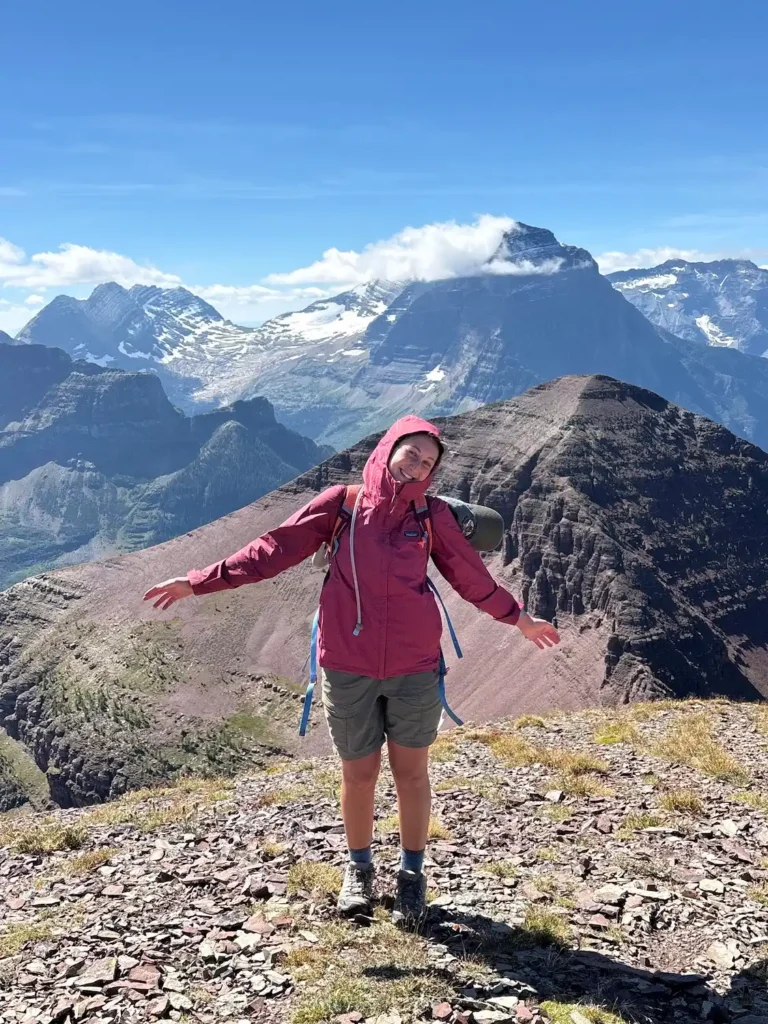
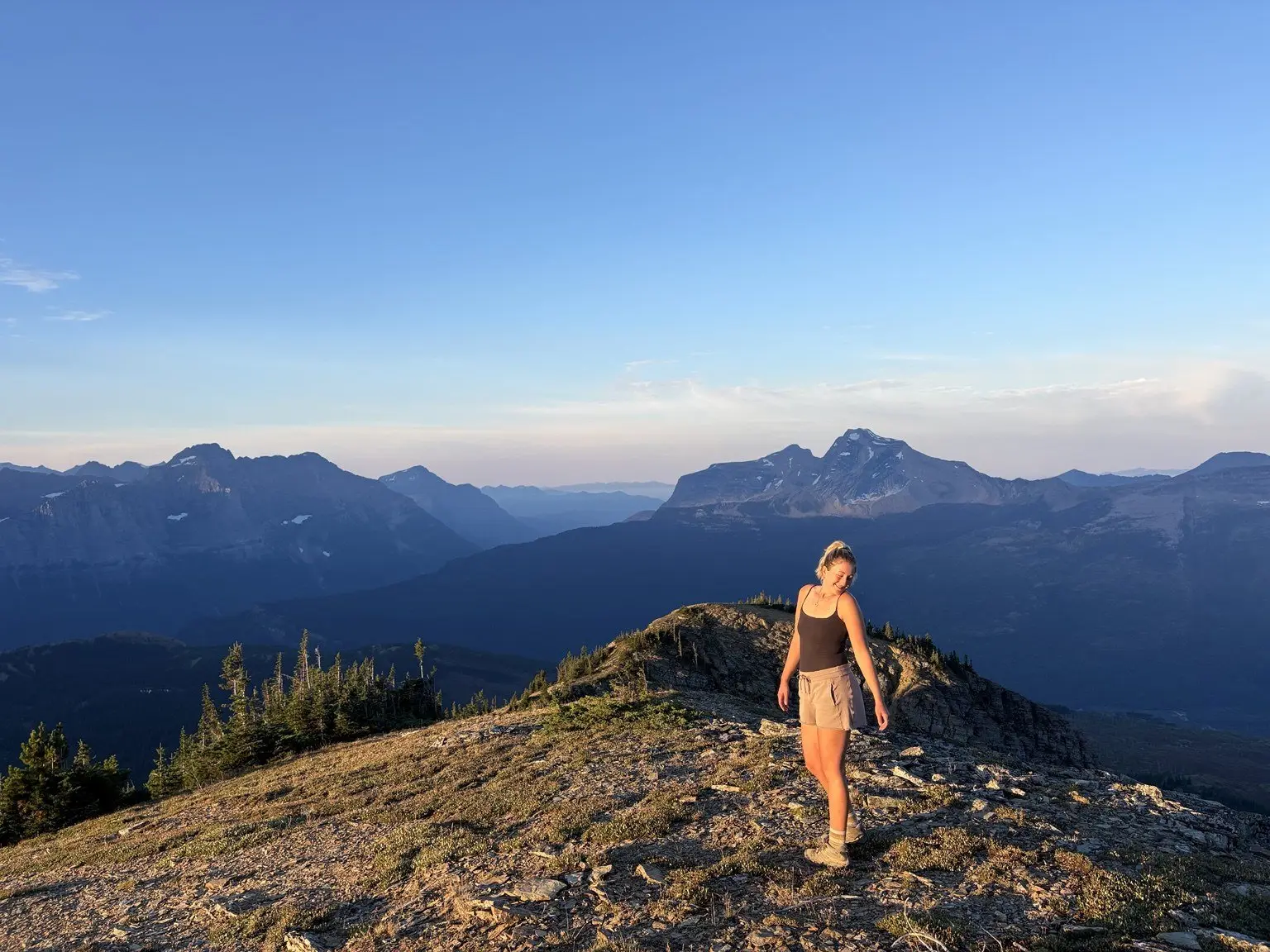
On my days off in Glacier, I hiked about 400 miles. Here are the underrated Glacier hikes I loved most, plus my favorite Many Glacier hikes.
HIKE.
At least that’s what I’m doing 90% of the time.
If the weather is good, I’m usually figuring out which hike I haven’t done yet and convincing my friends to come with me.
And if nobody can come?
I’ll go alone.
If the weather isn’t great where I’m living, I’ll sometimes drive somewhere nearby where the weather looks better or find something that works with the current conditions.
And sometimes…
I do absolutely nothing.
Because rest days are necessary too.
Most seasonal jobs I’ve worked have given me around two days off per week, and I definitely try to make the most of them.
Even on workdays, you may still have time to explore.
If I work an early shift and get off in the afternoon, there’s nothing stopping me from going on a hike afterward.
That’s one of my favorite things about this lifestyle.
What Is It Like Living With Your Coworkers?
A months-long slumber party.
That’s seriously the best description I have.
You work together.
You live together.
You eat together.
You hike together.
You hang out after work together.
You’re around these people CONSTANTLY.
That might sound horrible to some people.
For me? It’s one of my favorite parts.
You can become incredibly close to people in a really short amount of time because you’re experiencing everything together.
Is Seasonal Work Lonely?
It definitely can be at first.
Those first few days or even the first week can feel weird.
You’re in a completely new place. You don’t really know anybody. Everyone is trying to figure everything out.
But remember:
Everyone else is in the same boat.
They’re also trying to make friends.
They’re also wondering who they’re going to click with.
They’re also figuring out their new job and new home.
People usually start asking each other to hang out pretty quickly.
You might not immediately find YOUR people, and that’s completely fine.
It’s kind of like starting school or college. Sometimes you need a few weeks to figure out who you’re really going to connect with.
But you’ll find them.
Can You Actually Save Money Working a Seasonal Job?

Absolutely.
Seasonal work is definitely its own little world, and that’s part of why I think saving money can be easier.
Your housing and possibly food are often automatically deducted from your paycheck.
Then you’re living somewhere where your main form of entertainment is…
Nature.
You’re not constantly surrounded by restaurants, malls, stores, and places begging you to spend money.
I’d much rather spend my afternoon hiking anyway.
Obviously, how much you save depends on your income, bills, spending habits, and the cost of your employee housing.
But if saving money is one of your goals, seasonal work can make it much easier.
What Happens After the Season Ends?
Usually?
A lot of crying.
You say goodbye to people you’ve spent almost every day with for the last several months, and suddenly everyone starts going in different directions.
Some people already have their next seasonal job lined up.
Others take the money they’ve saved and go travel.
I’ve met plenty of seasonal workers who finish their season and head somewhere like Thailand, Vietnam, or Bali for a while before starting their next job.
And then eventually…
It’s time for another season.
New place. New job. New friends. New adventure.
What Are the Downsides of Seasonal Work?
As much as I love seasonal work, I’m not going to pretend it’s perfect.
There are definitely downsides.
You’re constantly starting over.
New home.
New friends.
New coworkers.
New routine.
New job.
New everything.
I personally LOVE the constant change, but even I can admit that it gets tiring sometimes.
You’re also living somewhere remote, which means Wi-Fi and cell service can be questionable.
Sometimes the Wi-Fi goes out.
Sometimes the power goes out.
Some seasonal jobs may barely have internet access at all.
You may also have very little privacy.
If you’re living in dorm-style housing and sharing a bedroom, you might rarely have the room completely to yourself.
But for me, the hardest part is probably saying goodbye.
You can become extremely close to someone over the course of a season and then suddenly have no idea when you’re going to see them again.
Especially when your coworkers came from another country on a work visa.
That part never gets easier.
Can Couples or Friends Apply Together?
YES!
I’ve worked with plenty of people who applied with friends or significant others.
Some companies even ask directly on the application whether you’re applying with someone else.
Couples may also be able to get couples housing, where you share a room together instead of being assigned separate roommates.
If working together is important to you, bring it up during the application and interview process.
Can You Bring a Pet to a Seasonal National Park Job?
This one is tricky.
I’d say the answer is probably no most of the time, but pet-friendly seasonal jobs absolutely exist.
For example, when I worked in Custer State Park, plenty of employees had pets and it wasn’t an issue.
Other companies only allow pets in certain housing situations or for certain employees.
If bringing your pet is non-negotiable, check the housing information carefully before applying.
Another option is RV housing.
Some seasonal employers have employee RV sites with hookups, and pet rules may be different if you’re living in your own RV rather than company housing.
It definitely makes the job search harder, but it’s possible.
Do Seasonal Employees Get Free National Park Entry?
Not necessarily.
This depends on where you’re living and working.
When I worked inside Yellowstone, I needed to pass through a park entrance to get to my job.
I was given a sticker for my car that allowed me to enter for work.
But don’t automatically assume that getting a seasonal job means you’ll receive a free national park pass.
Ask your employer what park access is included.
Are Seasonal National Park Jobs Only for College Students?
Not even close.
I’ve worked with people straight out of high school all the way to retired people who wanted to spend a season doing something completely different.
Yes, you’ll probably meet a lot of college students, especially during the summer.
But there isn’t one specific age you need to be to live this lifestyle.
That’s one of the coolest parts.
People arrive from completely different backgrounds and stages of life and somehow all end up in the same place.
Things I Wish I Knew Before My First Seasonal National Park Job
You’re Going to Need Less Stuff Than You Think
For my first seasonal job, I brought THREE large suitcases.
Three.
Every season since then, I’ve brought less and less.
Because you know what I’ve realized?
Nobody cares about my fashion choices.
And I always end up wearing the same favorite pieces anyway.
I’ll pack outfits because they’re cute and I’m convinced I’m going to wear them…
And then they sit untouched for four months.
Even as I’ve reduced how much I pack, I somehow still end up using about a quarter of it.
My seasonal-work staples now are things like:
- A good rain jacket — I love my pink Patagonia one
- A warm puffer — mine is a Cotopaxi Fuego Hooded Down Jacket
- A few long-sleeve and short-sleeve tops
- Shorts and comfortable pants
- A couple of cute outfits
- Jeans or overalls
- Clothes for cold weather
- Hiking clothes
- Good hiking shoes
- Layers, layers, layers
This is all my favorite gear linked if you’re interested!
One of my favorite things to bring is hiking pants that convert from pants into shorts.
Cute? Debatable.
Useful?
VERY.
It’s Going to Feel Scary at First
And that’s okay.
New things are scary.
But I’ve found that the things that push me outside my comfort zone usually end up being some of the best things I’ve ever done.
Staying comfortable 24/7 sounds boring to me.
Sometimes you have to do something that scares you a little.
You WILL Make Friends
Don’t panic if you don’t immediately meet your future best friend on day one.
There’s someone for everyone.
You may not find your people immediately.
But you will.
Try to Appreciate Where You Are
Yes, seasonal work has annoying moments.
Maybe the Wi-Fi sucks.
Maybe you’re tired of your roommate.
Maybe employee dining is serving something you don’t like for the third day in a row.
But then…
Walk outside.
You’re living somewhere people save money all year just to visit for a week.
Try to remember how freaking cool that is.
How to Get Your First Seasonal National Park Job
If reading all of this has you thinking, Okay Renata, I’m sold. How do I actually do this?
Here’s exactly how I’d start.
1. Go to CoolWorks.
This is the site I’ve personally used to find seasonal jobs in national and state parks.
2. Browse jobs in places you’d actually want to live.
Don’t just apply because the job sounds good.
Remember: you’re going to LIVE there too.
Look at the location, housing, weather, nearby activities, and what you’d actually be able to do on your days off.
3. Research the company.
Know what you’re getting yourself into.
I like looking up companies on places like Reddit, Indeed, Google, and seasonal-work Facebook groups to see what previous employees have said.
Take individual reviews with a grain of salt, but look for patterns.
4. Apply to several jobs.
I personally like applying to at least three that I’m genuinely interested in.
5. Wait to hear back — but don’t be afraid to follow up.
Some companies have gotten back to me within days.
Others have taken much longer.
If it’s been a while and you’re REALLY interested in the job, I don’t think it hurts to politely email HR and let them know you’re still interested.
6. Interview.
This is also YOUR chance to interview THEM.
Ask about housing.
Ask about meals.
Ask about transportation.
Ask about roommates.
Ask about Wi-Fi.
Ask about employee activities.
Ask anything that’s important to you.
7. Compare your offers.
If you get accepted by multiple companies, compare everything before deciding.
Don’t automatically choose the job with the highest hourly wage.
A slightly lower-paying job with cheaper housing, better meals, a better location, and a schedule that gives you time to explore could end up being the much better experience.
8. Accept your favorite offer and politely decline the others.
Always leave things on good terms.
You might want to work for one of those companies during another season.
So… Is Working a Seasonal Job in a National Park Worth It?
For me?
100% YES.
I feel ridiculously lucky that I stumbled across seasonal work because I genuinely had no idea this world existed before I started doing it.
And I hear the same thing from people all the time:
“I wish I knew you could do this.”
Well…
Now you do.
You can literally move somewhere beautiful for a few months, work, meet people from around the world, spend your days off exploring a national park, potentially save money, and then decide where you want to go next.
A months-long slumber party with your friends AND a national park as your backyard?
Sounds like a pretty good deal to me.
If there’s anything about working a seasonal job in a national park that I didn’t answer, send me a message on Instagram or TikTok. I’m always happy to answer questions about seasonal work and what this lifestyle is actually like.
And if you want more seasonal work tips, national park guides, hiking recommendations, and realistic advice about traveling more, sign up for my emails below so you don’t miss the next post.
Thanks for reading & I hope this helps!
Renata 🙂